










Bruce Campbell Adamson PO Box 3511, Santa
Cruz, CA, 95063--- EMAIL is bca@got.net

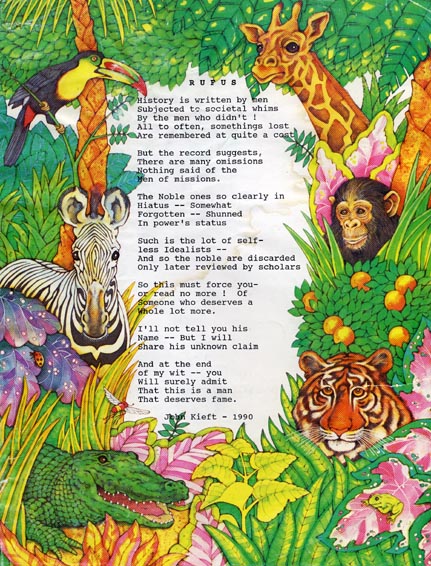
Click he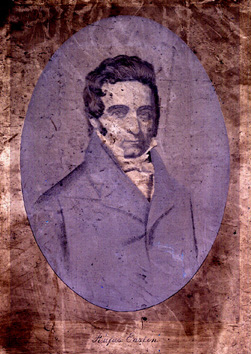 re for Poem written by
John Kieft on Rufus Easton.
re for Poem written by
John Kieft on Rufus Easton.
Plate of Rufus Easton is a metal image from 1800s and has been inverted which makes Easton to appear in a blue jacket.
Click here for Part one of video 120 minutes The Spirit of Alton Easton, Before, After and During the Civil War.
Click here for Part two of video 120 minutes The Spirit of Alton Easton, Before, After and During the Civil War with credits.
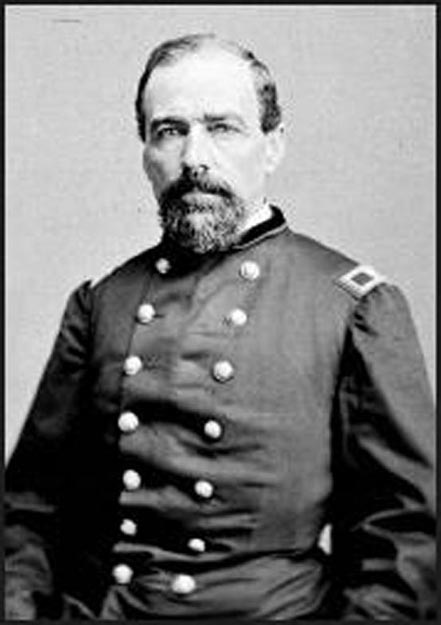
See Langdon C. Easton documents. Graduation from West Point in 1838 and documents from 5 Presidents including two from Abe Lincoln. Click Here to see Langdon Easton from state of Maryland. Army photo of Langdon Easton to right. Langdon and Andrew Jackson Smith entered West Point together and graduated in 1838. A black soldier received the Medal of Honor in 2000 by President Bill Clinton for his carrying the colors during the civil war.
Robert Easton photo was a great grandson
of Rufus Easton. Easton's step/dopted daughter married drummer
Doane Perry of rock and roll group Jethro Tull. Perry began in
1984-2011. Most fitting Living in the Past. Robert Easton the 2nd great grandson of Rufus Easton
skipped two generations over Adamson who is a 4th great grandson.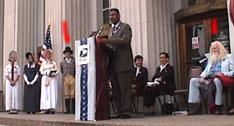
Rufus 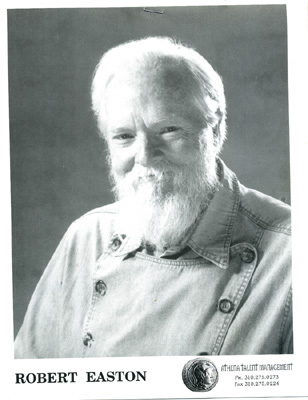 Easton
was honored on Oct. 1st, 2004 as first postmaster and having
built the first post office in St. Louis. Postmaster Mark Anderson
quoted Adamson when he said "Next to Benjamin Franklin,
Rufus Easton was one of the most colorful person in postal history."
Adamson discovered that the founder of Texas, Steven Austin was
a letter carrier for Rufus Easton in St. Louis portrait to the
right near top is of Austin. Postmaster
Mark Anderson, man playing Rufus under red marks and Robert Easton, the actor and dialect coach taught Jaclyn-Smith in
the TV film Jacqueline Bouvier Kennedy. First Day Cover signed
by Jaclyn Smith. Robert Easton worked with Cedric Gibbons who
also worked on same film with Harold Adamson in 1936 and helped
designed Oscar Statue.
Easton
was honored on Oct. 1st, 2004 as first postmaster and having
built the first post office in St. Louis. Postmaster Mark Anderson
quoted Adamson when he said "Next to Benjamin Franklin,
Rufus Easton was one of the most colorful person in postal history."
Adamson discovered that the founder of Texas, Steven Austin was
a letter carrier for Rufus Easton in St. Louis portrait to the
right near top is of Austin. Postmaster
Mark Anderson, man playing Rufus under red marks and Robert Easton, the actor and dialect coach taught Jaclyn-Smith in
the TV film Jacqueline Bouvier Kennedy. First Day Cover signed
by Jaclyn Smith. Robert Easton worked with Cedric Gibbons who
also worked on same film with Harold Adamson in 1936 and helped
designed Oscar Statue.
The Rev. Elija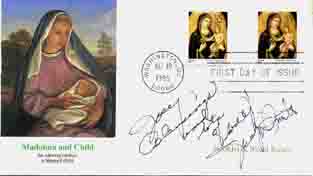 h Parish Lovejoy is a major part of the Alton video.
I was lucky to have had lunch with a great grandson of Lovejoy's.
In reviewing photos of descendants one can easily find religion.
MSNBC Brian William's wife and daughter are also descended from
Elijah Lovejoy. The brother Owen Lovejoy was Abraham Lincoln's
best friend in Congress. Lincoln thought so highly of Owen that
he purchased his headstone when he died in 1864. Elijah was murdered
in November of 1837 for running a press against slavery in Alton,
Illinois. It was Mary Todd Lincoln's in-law Ninian Edward's who
ordered Elijah to stop running his press in Alton or else face
the consequences.
h Parish Lovejoy is a major part of the Alton video.
I was lucky to have had lunch with a great grandson of Lovejoy's.
In reviewing photos of descendants one can easily find religion.
MSNBC Brian William's wife and daughter are also descended from
Elijah Lovejoy. The brother Owen Lovejoy was Abraham Lincoln's
best friend in Congress. Lincoln thought so highly of Owen that
he purchased his headstone when he died in 1864. Elijah was murdered
in November of 1837 for running a press against slavery in Alton,
Illinois. It was Mary Todd Lincoln's in-law Ninian Edward's who
ordered Elijah to stop running his press in Alton or else face
the consequences.
Oct. 1, 2004. St. Louis post office asked Adamson to give a speech
on Rufus Easton as did C-Span in 1994. When Adamson got up to give the speech in 1994 for
 C-Span's
Lincoln-Douglas debates, "I recalled Royal Dano and got
choked up for Dano had just passed away. Dano was a friend and
an actor whom starred as Abraham Lincoln during the 1950s for
The Ford Theater." Dano was also in the film Red Badge
of Courge with Robert Easton. Adamson went on to give speechs
at schools and senior citizen homes in Alton, Illinois and they
went well. This inspired Adamson to become a certified Toastmaster.
C-Span's
Lincoln-Douglas debates, "I recalled Royal Dano and got
choked up for Dano had just passed away. Dano was a friend and
an actor whom starred as Abraham Lincoln during the 1950s for
The Ford Theater." Dano was also in the film Red Badge
of Courge with Robert Easton. Adamson went on to give speechs
at schools and senior citizen homes in Alton, Illinois and they
went well. This inspired Adamson to become a certified Toastmaster.
For Which We Stand:
The Life and Papers of Rufus Easton
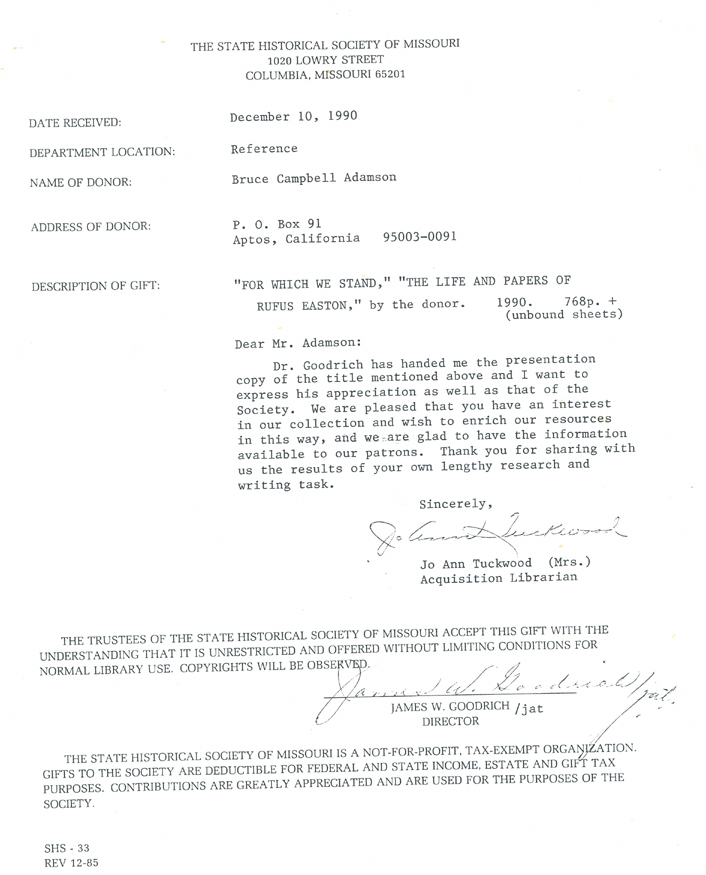
Adamson has been working on this book for 27 years. Out of all of the stories this one is his favorite. Book was reedited by Jackie Parecki April 10, 2004
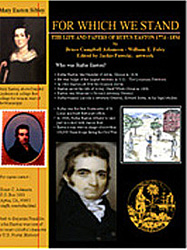 For Which We Stand; The
Life of Rufus Easton (17741834),
a pivotal but often overlooked figure in early American history.
His legacy spans the development of the U.S. Postal Service,
the legal system of the Louisiana Territory, and early efforts
toward abolition.
For Which We Stand; The
Life of Rufus Easton (17741834),
a pivotal but often overlooked figure in early American history.
His legacy spans the development of the U.S. Postal Service,
the legal system of the Louisiana Territory, and early efforts
toward abolition.
Below is a breakdown of the key historical facts and statistics regarding Rufus Easton and his family's influence.
The Legal and Political Career of Rufus Easton:
Rufus Easton was a polymath of the frontier, holding high-ranking positions in several branches of government simultaneously.
First Postmaster of St. Louis: Appointed by Thomas Jefferson, he served until 1814.
Judge of the Louisiana Territory: He held jurisdiction over the largest landmass in North America, stretching from St. Louis to the Canadian border.
Congressional Representative: Elected in 1814, he was a key proponent of Missouri statehood.
Attorney General of Missouri: Served from 1821 to 1826 under appointment by President James Monroe.
Civil Rights and Slavery:
The text positions Easton as an early civil rights advocate:
1808: As U.S. Attorney, he saved the life of Ioway Chief White Cloud from a mob in St. Louis.
1816: He proposed a bill to terminate slavery west of the Mississippi River.
Statehood Conflict: He ran for Congress as an anti-slavery candidate but lost to John Scott, the pro-slavery candidate.
The Easton Family Legacy:
The "Easton Web" extended through
marriage and military service, influencing the Civil War and
the settlement of the West.
The Seven Daughters
Easton's seven daughters married men who shaped American history, creating a complex family tree that included both abolitionists and those involved in pro-slavery legal victories.
Daughter Spouse / Notable Connection Historical Significance
Mary Easton Sibley George C. Sibley Founded
Lindenwood College (first college west of the Mississippi).
Abigail Easton Archibald Gamble Brother of Missouri's Civil
War Governor Hamilton Gamble.
Unnamed Daughter Henry S. Geyer The attorney who won the Dred
Scott case for the slave-owning family.
Unnamed Daughter Abner Bartlett Managed the estate of William
Waldorf Astor (18691894).
Military Influence
Rufus's sons and sons-in-law were instrumental in the Union's success during the Civil War.
Colonel Alton Easton: First white child born in the Louisiana Territory (1807); served as Inspector-General of Missouri's militia.
Brevet Brig. Gen. Langdon Easton: Chief Quartermaster under General William T. Sherman.
Total Command: Between the Easton brothers and their kin (General A.J. Smith), they were in charge of approximately 165,000 Union troops during the Civil War.
Connection to the U.S. Postal Service
The author, Bruce Campbell Adamson, emphasizes the USPS as the "web that holds this country together."
Stephen Austin: Before founding Austin, Texas, he was a letter carrier for Rufus Easton.
Recognition: In 1988, the publication Postal Life (circulated to 800,000 employees) featured Adamson's research on Easton.
Reward: Adamson received a $1,000 Treasury reward for uncovering criminal activity in 1986, which funded the computer used to write Easton's biography.
Notable Correspondence
Easton's papers include interactions with many of the "Founding Fathers" and major historical figures:
Thomas Jefferson & James Madison
Aaron Burr: Easton famously declined a duel with Burr in 1805 at the urging of Postmaster General Gideon Granger.
Abraham Lincoln & U.S. Grant: Correspondence regarding military appointments for the Easton sons.
Edward Bates: Lincoln's Attorney General
who studied law under Easton and later declared all Black Americans
to be U.S. citizens.
This book contains a thorough analysis of letters from John C. Calhoun, Thomas Jefferson, Aaron Burr, Gideon Granger, Alexander Dallas (father of George who founded Dallas, Texas), Moses and Steven Austin (Steven was the founder of Austin, Texas after he had been a letter carrier for Rufus Easton), Henry Clay, Dewitt Clinton, Abraham Lincoln, James Madison, James Monroe, Civil War Generals W.T. Sherman and U.S. Grant regarding Rufus Easton and family.
Rufus was associated with John Jacob Astor,
William Clark and Daniel Boone. Easton trained Edward Bates in
his legal studies. In those days Bates was obliged to move into
Easton'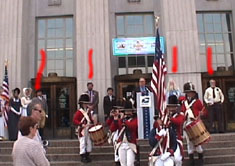 s residence
so that he could thoroughly study the law. Photo to right is Rufus, Mark Anderson, Robert Easton
and B. Adamson under Red marks. I was very proud that Rufus Easton
was honored by the post office.
s residence
so that he could thoroughly study the law. Photo to right is Rufus, Mark Anderson, Robert Easton
and B. Adamson under Red marks. I was very proud that Rufus Easton
was honored by the post office.
Prior to the outbreak of the Civil War Bates ran against Abraham Lincoln for President and was defeated by honest Abe. But there were no hard feelings for Bates was Lincoln's first choice in his cabinet as Attorney General. During the Civil War, Bates wrote to Lincoln on Langdon Easton's behalf for the position of Brevet Brigadier General.
Shortly before Lincoln issued his emancipation proclamation in 1863, Edward Bates as the U.S. Attorney General had already declared that all Negroes were U.S. citizens. It was Bates who demanded equal pay for the Negro soldiers, whom fought so valiantly for the Union. Only a year after the Civil War, in July 1866 Edward Bates wrote of Rufus Easton:
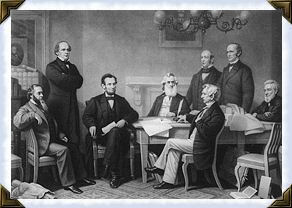 In the painting, the president is testing his Cabinet's reactions to the idea of proclaiming freedom for slaves. From left to right, the men in the portrait are: Secretary of War Edwin Stanton (seated), Secretary of the Treasury Salmon P. Chase, President Lincoln, Secretary of the Navy Gideon Wells, Secretary of the Interior Caleb B. Smith, Secretary of State William Seward, Postmaster General Montgomery Blair, Attorney General Edward Bates. |
"Easton was a wiser man than he passed for, and a better man than his adversaries chose to admit. All acknowledged his professional ability as compared with his associates, but many failed to give him the credit he deserved for his personal virtues. He was certainly the best-read lawyer of the Missouri bar in his day, the regular training of his youth and the indefatigable industry of his riper years, made him always, a formidable adversary and generally a case - gaining advocate he still lives in my memory with respect and gratitude."
Mighty strong words when one considers that Rufus Easton had left his earth in 1834.
Rufus' seven daughters married some of the most distinguished men of the Louisiana Territory: 1). George C; Sibley, Commissioner of the Santa Fe Trail and business manager of the Osage Indian Nation, owned a slave or two , yet Sibley saved the life of the Reverend Elijah P. Lovejoy the first abolitionist murdered in the U.S.A; 2). Archibald Gamble, 9th postmaster of St. Louis and brother of Missouri's Civil War Governor Hamilton Gamble; 3). Henry S. Geyer, attorney before the U.S. Supreme Court in the Dred Scott Case won case for slaveowning family; 4). James Watson; 5). Senator Thomas Anderson. 6). Abner Bartlett, of New York, who was in charge of William Waldorf Astor's estate from 1869-1894. You can read how there is good and bad in any family.
In 1805 Rufus Easton refused to partake in Burr's Conspiracy in which General James Wilkinson was a major player. In his lifetime Easton backed out of four separate duels. The most historic one was in 1805 when President Jefferson's favorite cabinet member, Postmaster General, Gideon Granger implored Easton not to participate in a duel with Aaron Burr.
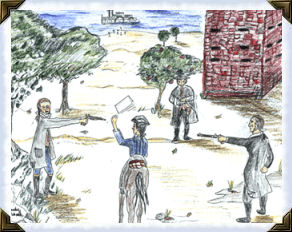 Had Gideon Granger not talked Easton out of it, the would be duel on Bloody Island between Burr and Easton may have looked this way. Artwork for this volume was prepared by Pam Kenny of Aptos, she is available for hire. Had Easton gone into a duel with Aaron Burr in 1806, Rufus' son Alton would never have been born nor would the town have been founded Alton, Illinois! |
Besides being the first postmaster Easton was also appointed by President Thomas Jefferson, Judge of the Louisiana Territory. As Judge of the territory Rufus Easton held jurisdiction over the largest land mast ever throughout the continent including Canada and Central America. The territory was so immense that it stretched from the St. Louis to the Canada border and as one historian expressed it: "westward into seemingly infinity".
Yes, Rufus Easton was a civil rights leader. As a United States Attorney in 1808, Easton represented an Ioway Indian Chief White Cloud, and saved his life from angry St. Louis citizens who wanted to make an example by hanging him. In 1814 Easton retired as the postmaster of St. Louis and was elected into Congress. Easton was helpful for the passing of a Bill for Federal Aid in one of the First Natural Disaster within the United States, the New Madrid Earthquakes. In 1816 Easton would be on the first bill to terminate slavery West of the Mississippi. Easton was then a minority.Click here for New Madrid Earthquake history.
In 1816 as the Congressional representative Easton was one of the first known persons to recommend statehood for the State of Missouri. Rufus could have brought Missouri into the Union as a non-slave state if he had won his congressional seat against John Scott, the pro-slavery candidate. Rufus Easton was appointed Attorney General for the State of Missouri by President James Monroe and served from 1821-1826.
Click here for list of men who fought with Alton Easton who elected unanimously Colonel to lead St. Legion of St. Louis in the 1846 Mexican-American War.
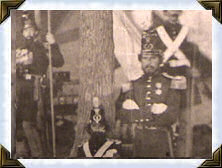 1860 photograph of Colonel Alton Easton a year before being appointed Inspector General of Missouri's militia. Adamson found this rare photo because of his trip to see Rufus Easton honored. Adamson also found an ivory painted print by the St. Louis Bank Note company at the top of this page. |
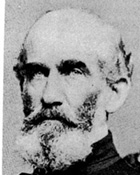 Photo
to right is Major General Andrew Smith fought with General Thomas
in Battle of Nashville. Thomas would not fight Hood until General
A.J. Smith arrived. Between Smith and his kin Alton and
Langdon Easton they were in charge of more than 165,000 Union
troops during US Civil War.
Photo
to right is Major General Andrew Smith fought with General Thomas
in Battle of Nashville. Thomas would not fight Hood until General
A.J. Smith arrived. Between Smith and his kin Alton and
Langdon Easton they were in charge of more than 165,000 Union
troops during US Civil War.
In 1818 Easton founded the town of Alton, Illinois, which was named in honor of his son Colonel Alton Rufus Easton. Alton Easton in 1807 was allegedly the first white child born in the Louisiana Territory. Before the Civil War, Alton was Colonel of the St. Louis Grays, and St. Louis Legion, and fought in the Black Hawk war in 1831-32 and the Mexican War in 1846-48.
On the outbreak of the Civil War, Colonel Alton Easton was Governor Hamilton Gamble's first choice as Inspector-General for the Missouri's militia. Alton's brother, Brevet Brigadier General Langdon Easton was Chief Quartermaster under General Sherman and both played extremely prominent roles during the Civil War. Along with the support of Edward Bates Alton Easton convinced General U.S. Grant, whom in turn convince Abraham Lincoln to appoint Langdon Easton as Brevet Brigadier General. Together Alton and Langdon Easton combined, during the Civil War were in charge of 150,000 Union troops. In 1972 the City of St. Louis changed one of their main thorough fares from Easton Drive to Martin Luther King Highway. It was done without intentionally trying to harm the memory of Rufus Easton. Easton would have had nothing but respect for King and vice-versa. An injustice has been unintentionally served upon Easton, who was unknowingly extremely helpful in the cause to abolish slavery and played an important role in early Postal and American history.
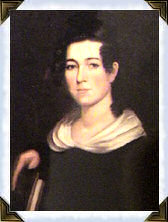 Portrait of Mary Easton Sibley who founded with her husband the first college west of the Mississippi River, Lindenwood College in St. Charles Missouri. The Osage Indian nation simply adored Mary and her beautiful music which then seemed to be from Heaven. Mary was born in 1800 and was a good friend of Susan B. Anthony. |
On January 23, 1823, Mary Easton wrote to Alton Easton: "Remember that in this country the advantages of rank and fortune are not required to make the hero or statesman. But more independently and more gloriously you rise in the estimation of the word solely by your own talents and merit. Let this idea my dear Alton stimulate you to depend on your own exertions to establish yourself an honorable character." Words from a lady who founded the first college west of the Mississippi and taught and entertained the Osage Indian Nation.
The Life and Papers of Rufus Easton a 300 page manuscript containing all of the above This book weighs 30 ounces and is on 8 + x 11 format.
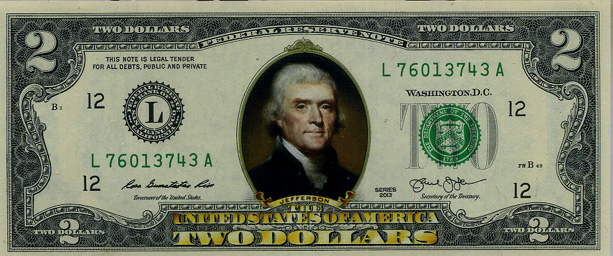
Rufus Easton was judge of the largest territory in North America appointed by President Thomas Jefferson!
Click here for Rufus Easton Store
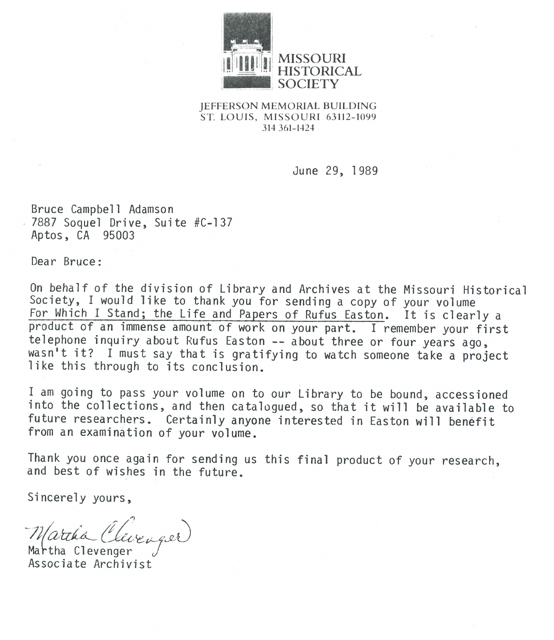
Click to read letter from Martha Clevenger Missouri Historical Society 1989
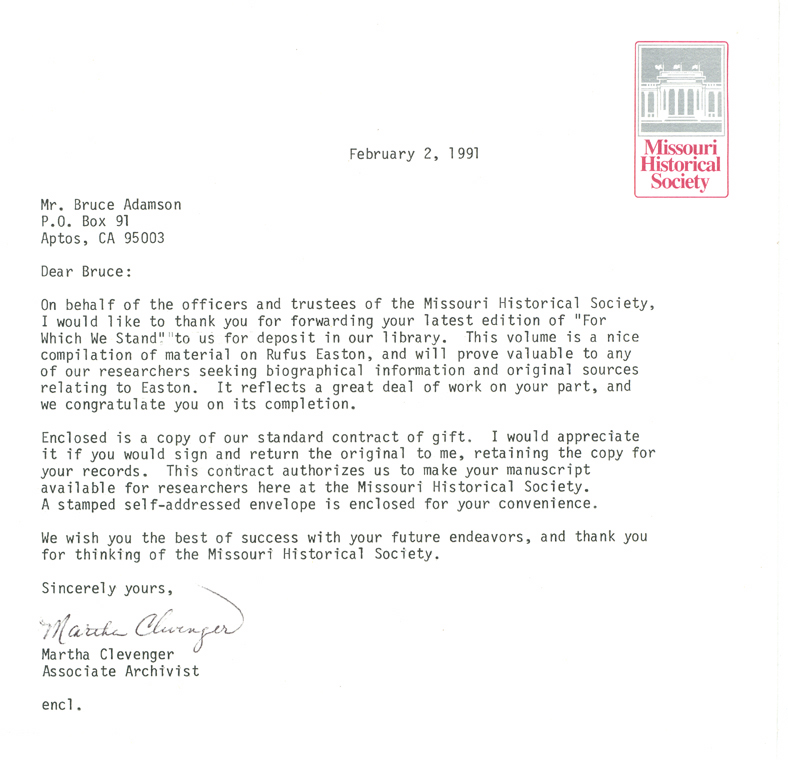
Click to read letter from Martha Clevenger Missouri Historical Soc. 1991.
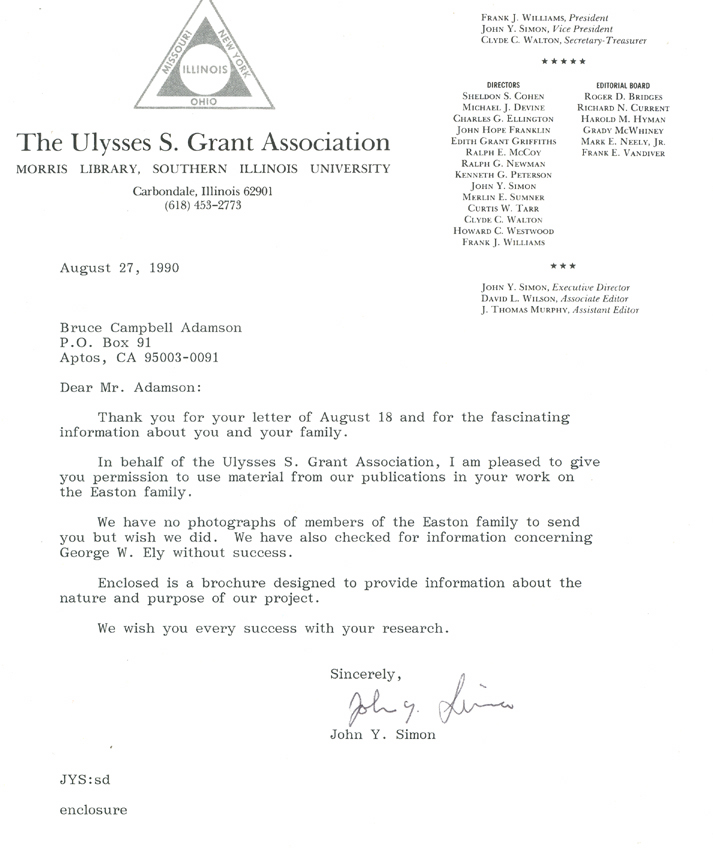
Click to read letter from Ulysses S. Grant Assoc.
Click to read letter from State Missouri Historical Soc of Missouri
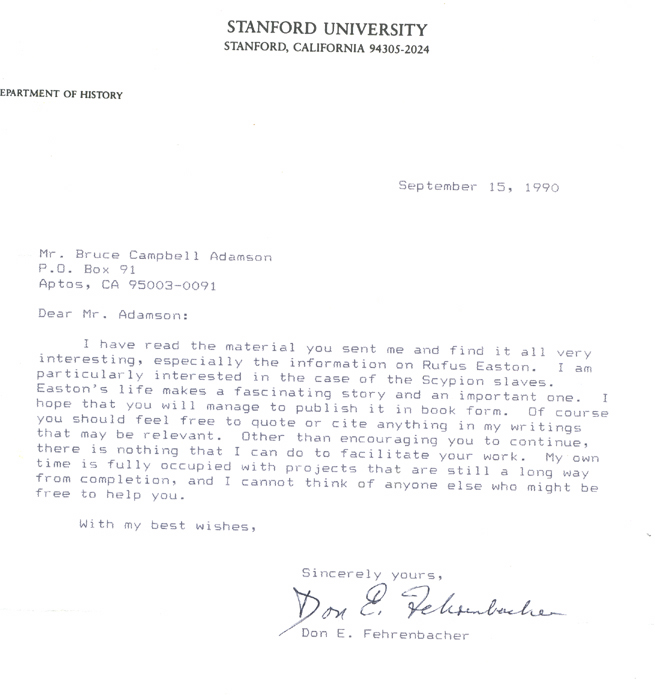
Click to read letter from author and Stanford Professor D. Fehrenbacher
|
|||